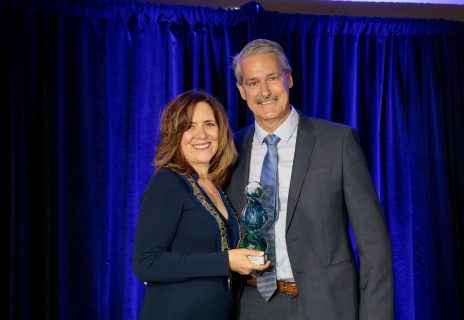
Family physician Dr. Jules Cormier hosts conversations with New Brunswick clinicians and health leaders on what prevention looks like in real practice.
Prevention is having a moment in medicine and for good reason. With chronic disease rates rising and clinical capacity stretched, lifestyle medicine and nutrition are moving from the margins to the mainstream. To bring those conversations to physicians across New Brunswick, the NBMS partnered with Dr. Jules Cormier, a family physician, skin surgeon, podcaster, athlete, nutritionist, and naturopath to produce a new podcast series focused on preventive health.
Across the series, Dr. Cormier sits down with five physicians, the Minister of Education and Early Childhood Development and the Executive Director of Sankewitahasuwakon,the First Nations Health and Wellness Transformation Collaborative in New Brunswick, to explore what prevention can look like in practice, from evidence to implementation, and from individual behaviour change to system-level supports.
What emerges across these conversations is a common theme: prevention is not a single intervention, but a way of thinking, one that links clinical care to the social and policy conditions that shape health.
Dr. Lise Babin believes medicine extends far beyond the walls of the clinic. A family physician, educator, and President of the New Brunswick Medical Society, she advocates for medical leadership that embraces community, prevention, and shared responsibility.
Her work highlights why physician engagement—in education, mentorship, and advocacy—matters to a resilient health system. From addressing burnout to strengthening primary care and promoting healthier lifestyles, Dr. Babin emphasises that caring for those who provide care is a public health priority. Her leadership reflects a broader vision of medicine rooted in collaboration, trust, and the courage to shape a healthier future for New Brunswickers.
“When we invest upstream—in primary care, community supports, and prevention—we’re not adding work. We’re reducing the load for everyone down the line.”
Roxanne Sappier is helping reshape the future of health care in New Brunswick by putting First Nations communities in the lead. As Executive Director of First Nations Health and Wellness Transformation (Sankewitahasuwakon), she works to advance a coordinated, community-led health system grounded in self-determination, cultural safety, and holistic wellness. A proud Wolastoq woman from Tobique First Nation (Neqotkuk), Sappier brings more than 25 years of experience in Indigenous health leadership, including overseeing nationally accredited community health services and supporting the development of new care models. Her work emphasizes collaboration with provincial and federal partners while centring community priorities, trust, and long-term wellness, demonstrating how health systems are stronger, more effective, and more equitable when shaped by the people they serve.
“Self-determination isn’t just a principle—it’s a practical way to build care that people trust enough to use early, not only in crisis.”
Claire Johnson sees public policy as one of the most powerful and often overlooked tools for improving health. As New Brunswick’s Minister of Education and Early Childhood Development, she brings a background in population health, nutrition, and academic research to her work in government. A trained dietitian and former university professor, Johnson focuses on how early childhood, education, and food security shape lifelong health outcomes. From advancing universal school breakfast programs to strengthening supports for children and families, her approach emphasizes prevention, equity, and long-term impact. Her work highlights a broader vision of health built not only in hospitals, but in classrooms, communities, and the policy choices that shape everyday life for New Brunswickers.
“If we wait until children are unwell, we’ve already missed the most powerful window for prevention.”
Dr. Jennifer Russell brings a population-level lens to some of New Brunswick’s most pressing health challenges. Widely recognized for her leadership as the province’s Chief Medical Officer of Health during the COVID‑19 pandemic, she now serves as Executive Director of the Institute of Population Health at the University of New Brunswick. Her work focuses on resilience, prevention, and reducing the growing burden of chronic disease through long-term, evidence-based solutions. Drawing on lessons from the pandemic, Russell emphasizes that health is shaped well beyond hospitals and clinics—by policy, community design, and everyday conditions of life. Her leadership underscores the importance of compassion, clear communication, and sustained investment in prevention to build a healthier future for New Brunswickers.
“Prevention is a long game—measured in years, not news cycles—but it’s where the biggest gains are.”
Dr. Yves Léger works behind the scenes to protect the health of New Brunswickers long before illness takes hold. As the province’s Chief Medical Officer of Health, he leads efforts focused on prevention, population-level decision-making, and the conditions that shape everyday health. His work spans chronic disease prevention, healthy environments, and policies that quietly influence daily life, from food systems and walkable communities to workplace and school health standards. With a background in public health and preventive medicine, Dr. Léger emphasises that effective public health is often invisible when it succeeds, operating upstream to reduce risk and improve outcomes across entire communities. His leadership underscores the role of prevention, trust, and evidence-informed policy in building a healthier province.
“When public health works, it’s quiet. The goal is fewer emergencies, not more headlines.”
Dr. Christelle Thériault and Dr. Josée Lanteigne Dupuis are helping shift how obesity is understood and treated, away from blame and toward science. Working within New Brunswick’s bariatric care system, they bring complementary medical and psychological perspectives to a condition shaped by biology, behaviour, and environment. Their work highlights why weight is an incomplete measure of health, how hormones and stress can influence eating patterns, and why stigma remains one of the biggest barriers to care. From lifestyle interventions and GLP1 medications to bariatric surgery, they emphasise that effective treatment requires long-term, team-based support. Their message is clear: obesity is a complex chronic condition, not a personal failure, and meaningful progress depend on evidence-based care, compassionate practice, and system-level change.
“Patients do better when the goal shifts from ‘lose weight’ to ‘gain health,’ sleep, mobility, labs, mood, and quality of life.”
Taken together, these voices offer a practical reminder – prevention is rarely one program or one appointment. It is the cumulative effect of small clinical decisions, supportive communities, and policies that make healthy choices more realistic for patients.
Physicians interested in exploring the series can listen via The Dr. Jules Plant-Based Podcast and watch for new episodes and highlights on NBMS social media channels: Facebook, LinkedIn, YouTube, and Instagram.
In a system under strain, prevention is not a luxury, it is one of the few strategies that can improve outcomes while easing pressure over time.
Nora Lacey, Chief of Physician & Patient Engagement